
Tecnologia1 mintechpowerup.com03/08/2026
AMD Zen 6 to Improve 1% Lows and In-Game Stuttering
AMD's latest "Zen 6" microarchitecture was unveiled at the Advancing AI event in a server format. However, we still anticipate a consumer version in the coming months, which might…
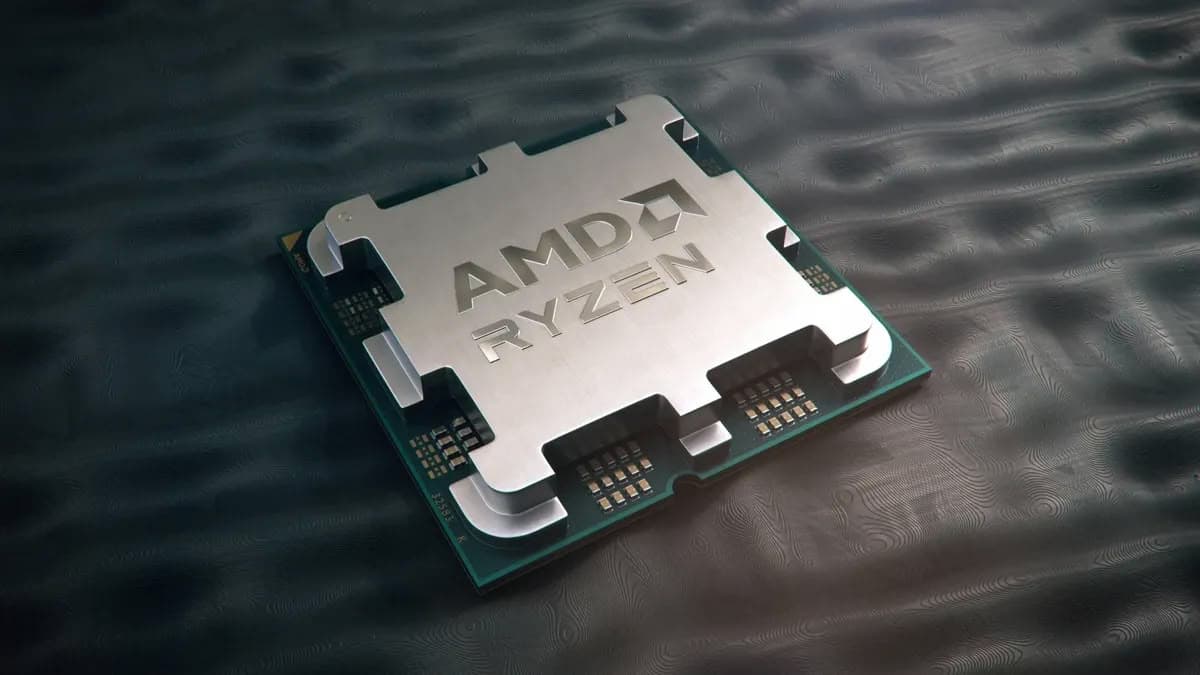
AMD's latest "Zen 6" microarchitecture was unveiled at the Advancing AI event in a server format. However, we still anticipate a consumer version in the coming months, which might surprise gamers. According to 1usmus, the creator of the HYDRA OC tool, who shared insights with VideoCardz, AMD's "Zen 6" CPUs will focus on improving 1% lows in games through several software methods, besides hardware advancements. The first is Collaborative Processors Performance Control (CPPC). CPPC Performance Priority allows the operating system and firmware to manage the performance of each individual CPU core. This means the OS can direct maximum power and frequency to specific cores based on workload demands. For instance, if a game utilizes only about 8 cores, those cores will receive maximum power and frequency to enhance frame rates to their highest potential.
CPPC includes Performance Priority and HighestFreq settings, which manage task priority and allocate the highest performance, respectively. Additionally, when the CPU reaches its maximum temperature or power limit, the FloorPerf feature ensures that only the most critical tasks run at maximum frequency, while other cores are throttled to reduce power or temperature. This dynamic scheduling is expected to enhance various gaming aspects, particularly when addressing 1% lows in gaming tasks. Other features include per-core EPP boost, allowing specific CPU cores to boost to their maximum state without pushing the entire CPU to its limit. The CPU also offers improved frequency tuning with more dynamic scaling, focusing on maintaining stable clock speeds to deliver maximum performance when needed and ensuring a smooth gaming experience.
CPPC includes Performance Priority and HighestFreq settings, which manage task priority and allocate the highest performance, respectively. Additionally, when the CPU reaches its maximum temperature or power limit, the FloorPerf feature ensures that only the most critical tasks run at maximum frequency, while other cores are throttled to reduce power or temperature. This dynamic scheduling is expected to enhance various gaming aspects, particularly when addressing 1% lows in gaming tasks. Other features include per-core EPP boost, allowing specific CPU cores to boost to their maximum state without pushing the entire CPU to its limit. The CPU also offers improved frequency tuning with more dynamic scaling, focusing on maintaining stable clock speeds to deliver maximum performance when needed and ensuring a smooth gaming experience.