
Tecnologia1 mintechpowerup.com11/08/2026
Samsung Delays High-NA EUV Adoption Until 2030 for 1 nm Node
Samsung Foundry has been consistently upgrading its chip-making tools. However, despite the availability of the new generation of EUV lithography, the company has not yet committe…
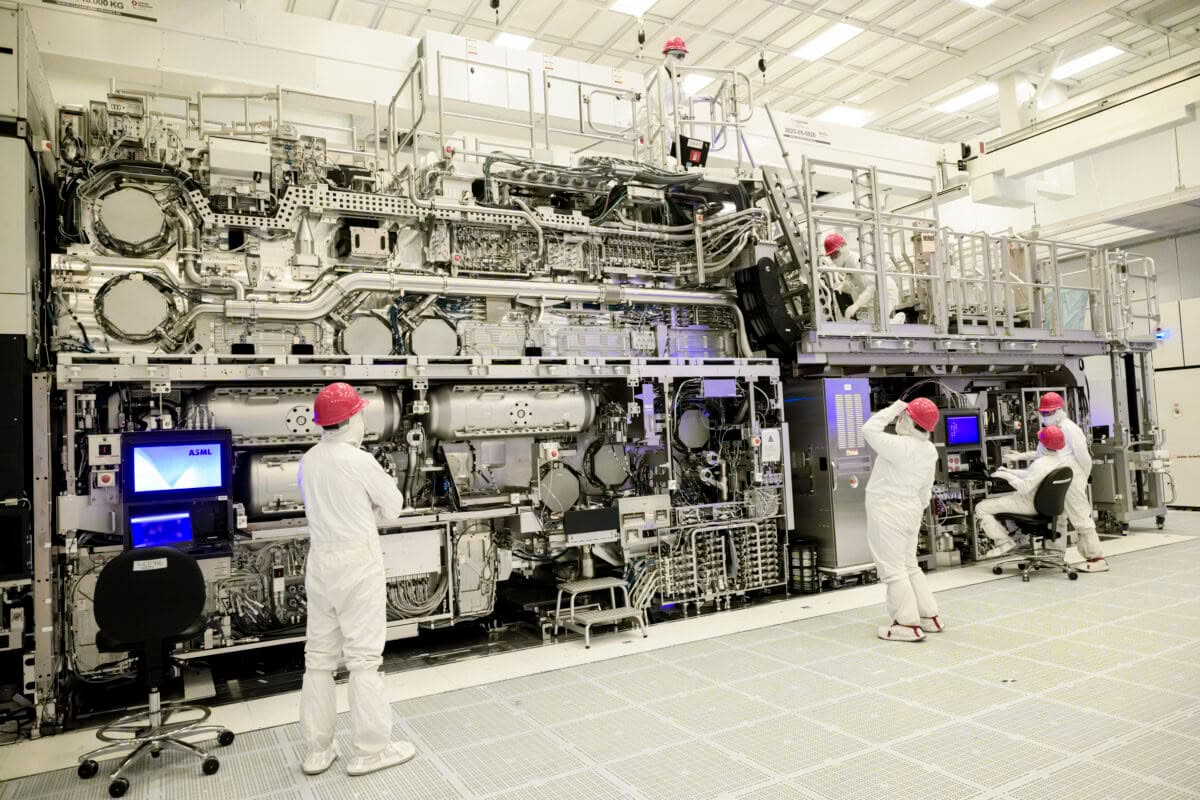
Samsung Foundry has been consistently upgrading its chip-making tools. However, despite the availability of the new generation of EUV lithography, the company has not yet committed to using High-NA EUV lithography tools from ASML. According to ZDNet Korea, this is expected to change with the development of Samsung's 1 nm node, scheduled for 2030. This will be one of the last introductions of High-NA EUV machinery across leading-edge semiconductor node designs. Intel is gradually scaling up its 14A node to risk production with High-NA EUV tools, while TSMC is expected to introduce it in 2029. Samsung being one of the last does not necessarily mean the company is in a rush, as it is currently performing well with the existing Low-NA EUV tools.
For reference, TSMC claims it can maintain a competitive advantage using the existing Low-NA EUV technology for now, scaling nodes down and introducing improvements with each generation. Low-NA tools are also half the price of the premier High-NA EUV systems. The most advanced High-NA EUV machine from ASML costs around $400 million, which is an incredibly expensive piece of machinery, even for a modern semiconductor fab. Hence, TSMC has refrained from using it for now as it can achieve similar advantages with the current Low-NA technology, and Samsung appears to be following this decision.
For reference, TSMC claims it can maintain a competitive advantage using the existing Low-NA EUV technology for now, scaling nodes down and introducing improvements with each generation. Low-NA tools are also half the price of the premier High-NA EUV systems. The most advanced High-NA EUV machine from ASML costs around $400 million, which is an incredibly expensive piece of machinery, even for a modern semiconductor fab. Hence, TSMC has refrained from using it for now as it can achieve similar advantages with the current Low-NA technology, and Samsung appears to be following this decision.
Quer ajuda para escolher?
Fale com um especialista e receba recomendação direta para o seu uso.
WhatsApp 19 98751-0267